


The other day, we were talking about contamination—what it is; the nature and meaning of it—and we looked at how that related to the notion of ‘contaminated thinking’.
 Giles P Croft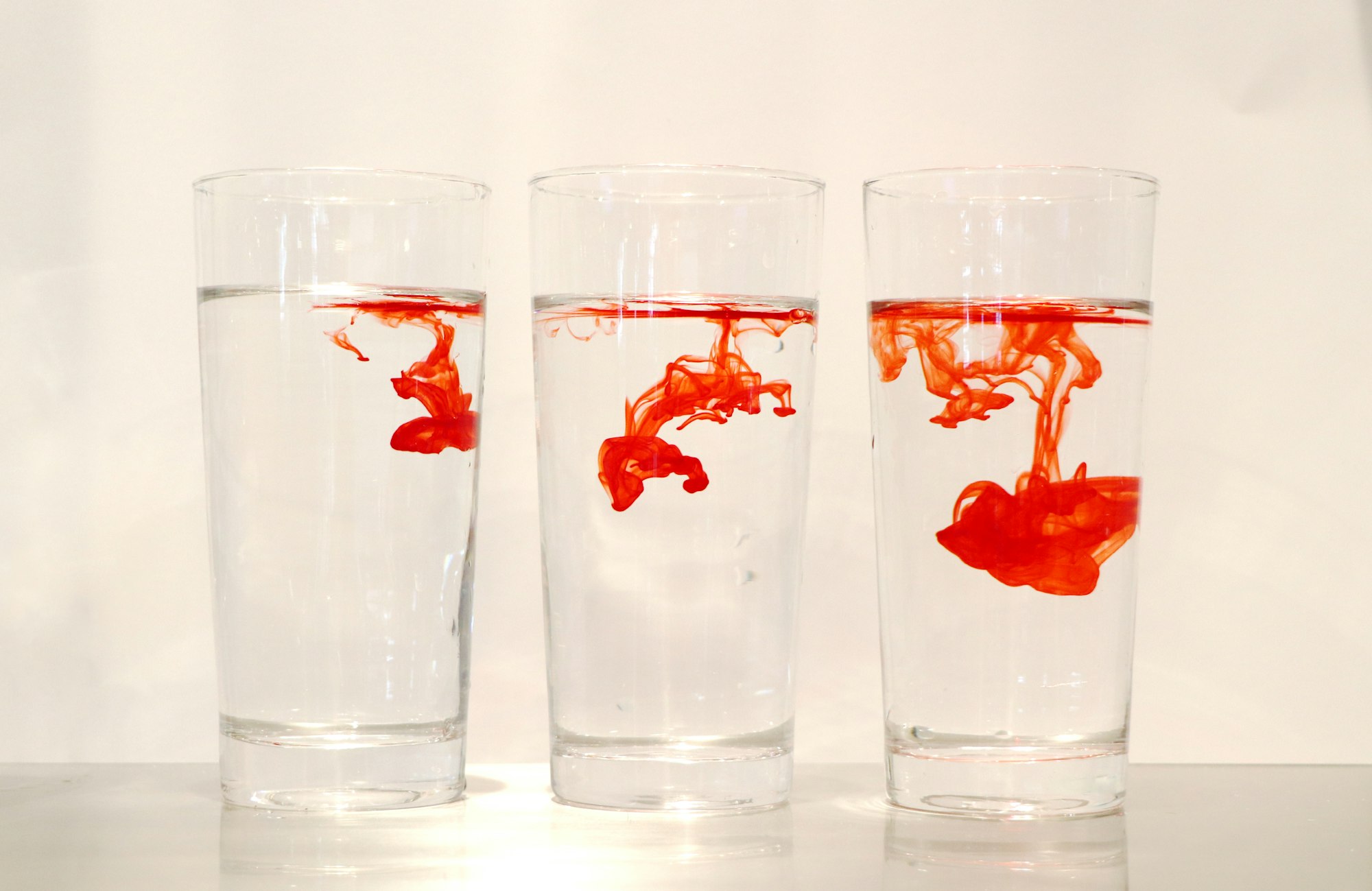
Part 1 of this 3-part series on Contaminated Thinking
It was a bit of an exploratory, philosophical kind of piece (with a main tag of ‘Principles’, you'll have seen) and may have left you wondering,
“Well that's all fine and dandy, Giles, but what the heck am I supposed to do, when I find myself caught up in a bunch of contaminated thinking?!”
[throws-hands-in-air-in-exasperation-emoji] 🤨
It's exactly the question that came up in conversation with a client the other day—the whole reason I got to thinking about what contamination is and isn't, for that Daily Reminder—and I'm going to help you to see the solution to this kind of ‘polluted’ thinking, with a little story.
(Stories are brilliant, because as Syd Banks would say, “Stories bypass the intellect.” They allow you to go beyond an intellectual understanding and actually realise—as in ‘make real’—a deeper truth.)
Pull up a chair…
🪑📚🤔😲
You know how you've got that one teacher who was so inspiring when you were younger, you still remember them now?
(You've got to. It's such a common thing, I seem to remember an old series of TV ads run here in the UK by the Teacher Training Agency, based on that supposition – although I can't find them online to show you!)
Anyway, I had one such teacher when I was training to be a doctor. He was a general surgeon in a rural District General Hospital that we used to get bussed out to at the beginning of every week, for the 6-week duration of our surgical placement.
We spent a lot of time in his company, learning the ropes, attending theatre and clinic with him, and being constantly grilled on our (frighteningly scant) surgical knowledge.
He didn't suffer fools gladly (as wet-behind-the-ears medical students we were all pretty terrified of him) and was a straight down the line, no messing, this-is-how-it-is, deeply professional and caring kind of chap, who, in retrospect, was one of the reasons I ended up becoming a surgeon myself, years later.
And he taught us all one lesson that I have never forgotten. A lesson he drilled into us impressionable young medical students so frequently and so consistently that I don't remember anything else he taught me. Because in my head it's the only thing he ever said!!!
😆
(What does that say about the fallibility of memory, eh? #thepastisjustathought)
It's a very simple principle—encapsulated in a delightfully catchy little saying—that's followed me through the whole of the rest of my life, because I have found it's applicable across the board.
As I say, he was a general surgeon – that's abdomens to you; your intestines or guts. The inside of an abdomen is a sacred, totally sterile place that should be left well alone, except in case of emergency, such as something perforating, like an ulcer, or an appendix or the bowel itself, for whatever reason.
When that happens, the contents of what's inside—definitely not sterile! 💩—wreaks absolute havoc inside that sacred space, and makes people very poorly indeed. (Which is the reason I decided to become an orthopaedic surgeon instead, way back then – the patients were mostly fit and healthy! 😆)
This usually bacteria-free sanctuary becomes contaminated, or polluted, and it's such a major, life-threatening situation that you need to sort it out pronto. In theatre, it's also a dynamic, high-stress scenario that calls for some basic principles you can depend on, to guide you through all the complexity you're faced with. So you don't over-think it and dilly-dally, basically.
 Giles P Croft
This is how to deal with complicated situations – by using PRINCIPLES
And here's what he taught us – not only a way of dealing with bacterial contamination, but any kind of ‘infection’:
“The solution to pollution is dilution.”
That's it. So simple. So obvious. So damned helpful, all the time, and in so many human situations.
You wash it away!
In general surgical theatre, once you'd dealt with the offending source of the leak, this involved washing the abdomen through with litres and litres and litres and litres of normal saline (this was the underlying explanatory principle he taught us, that accounted for such a seemingly wasteful practice), but of course it applies to cuts and scrapes in general and all manner of that-shouldn't-be-there! domestic hygiene situations.
Mental hygiene, too.
Listen to enough Syd Banks, and at some point you'll hear him mention “mind viruses” and “contaminated thinking” and “penicillin for the mind” and each time he's talking in those terms—and pointing out to you that understanding, or awareness are the tools you have at your disposal for dealing with that—he's really saying this same thing:
The solution to pollution is dilution.
And the absolute beauty—the sheer genius—of being human, is that this dilution process is already built in.
The mind is a self-correcting system that always comes back into balance, when we become truly aware of our attachment to the content of our thinking (something I gave you a personal example of, in yesterday's Daily Reminder)… and gently disengage from it.
It's like our own, personal, built in little snow globe, that settles as soon as we stop shaking it.

Indeed, for me, this is the very definition of resilience itself:
When you realise that ‘dilution’ of your ‘polluted’ thinking is an innate capacity that can never be wrested from you, well then, you'll find this little phrase just as useful as I have done, over the years:
“The solution to pollution is dilution.”
💟
Giles
Your next reads
 Giles P Croft
The final Part 3 of this 3-part series on Contaminated Thinking
 Giles P Croft
An adorable munchkin story, involving a snow globe and one very tired parent 🥱
 Giles P Croft
How awareness alone can get you out of an anxious spiral 👀