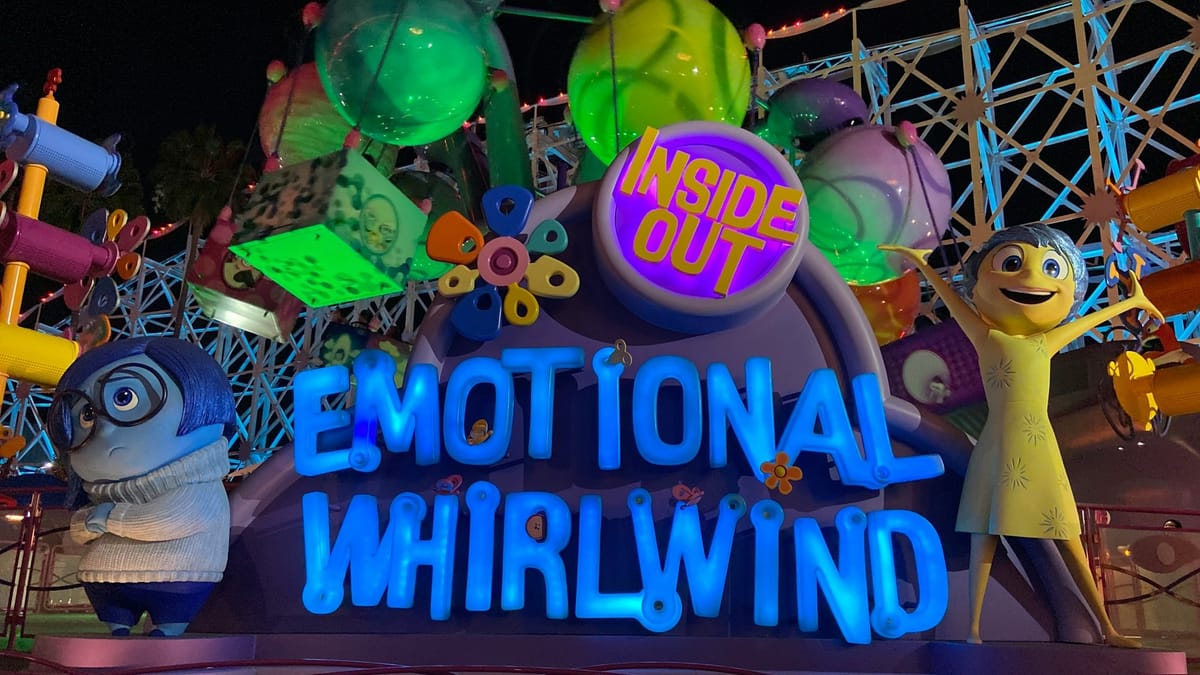
About a hundred years ago, I penned some observations of the rather well-done animated film, Inside Out, immediately in advance of seeing its sequel at the cinema.
That happened, but as is so often the case with these things, I really wanted a second viewing before coming to any conclusions about it… and that's only just happened.
But today's the day!
You might want to refresh your memory as to where we'd got to after the first one:
 Giles P Croft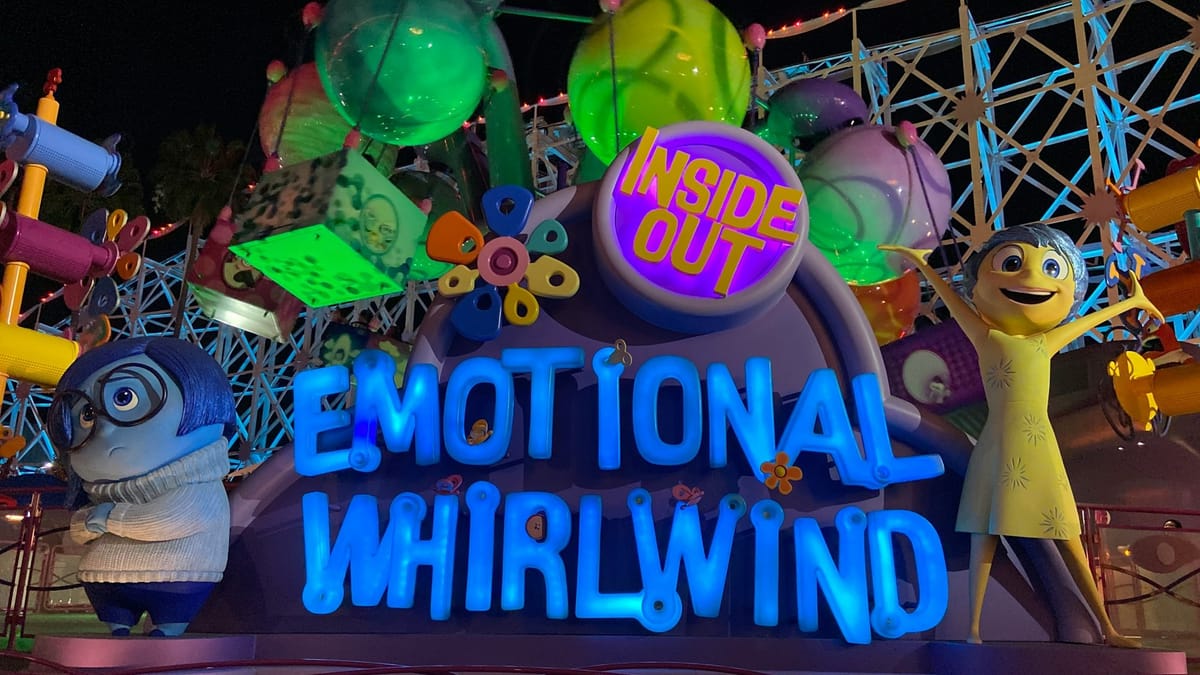
Reflections to consider, from the original Inside Out
There's an extraordinary amount of rich, tasty, 3 Principles goodness inside this movie, so let's unpack it together.
[Please note, mild spoilers follow—Points 6-9 especially—but the kind that will enrich repeated viewings, and maybe encourage you to watch the film, if it's not normally your thing.]
So, here's what I noted down this time:
- It's really good (again) 😃
- It's almost as if they read my mild criticism of the first one—that they didn't really tackle identity—by making the second one all about identity! (They've clearly been studying my 4-step process, which ends with TRUE NATURE) 😉
- They did a fantastic job of getting across the scale of the ‘problem’. At one point we got a little cutaway shot of the cascade of ‘belief-balls’ that were all contributing to Riley's sense of self and it was massive and fast-flowing. Every instant that comes along; every thought we have, each experience, every teeny bit of analysis the left brain does… it's all contributing to the mind's made-up picture of who it thinks we are. Sobering! 😳
- They absolutely nailed Anxiety. She's enthusiastic, diligent and above all, helpful. At least she thinks she is (when in fact she's always just screwing things up). And the root of her misplaced efforts is of course the outside-in illusion. At one point, Joy asks Anxiety why she's hurting Riley so much, if she just wants her to be happy (which she claims to be doing) and Anxiety's response demonstrates that she genuinely believes Riley's wellbeing is entirely based on circumstance. It's the perfect demonstration of your mind doing its best, as it works on severely limited data. 😙👌🏻
- Another great observation is that Anxiety eventually short-circuits. There's only so much outside-in misunderstanding the system can take and if we fail to notice what it's actually telling us, it will eventually stop itself. That's the whole deal with panic attacks – they're meant to put an end to the process! (Nobody ever died from one.) 🤨
- [Most spoiler-y bits coming] The twist, if you can call it that, is that at the end of the film we see Riley's entirely thought-created, belief-based sense of ‘self’ has multiple facets, when of course the emotions were all striving towards an outcome based on the assumption that there could be only one. How many times have we spotted others saying, or caught ourselves believing (when in a particular frame of mind) that we are ‘just like this’ and losing sight of the variability of experience? Again, bang on the money. 👊🏻
- [More spoilers] The ‘solution’ of course was acceptance. ‘Self’-compassion. A literal embracing of all the aspects of thought that were making up that sense of self that was screwing everything up so badly in that moment… which led to Riley falling out of her thinking and back into presence; her ever-present Innate Health, which is who she really is. (I cried at this bit, it was so good.) 🥹
- [Again, spoilers] Considering this is a Pixar movie, aimed at the most main-stream audience going, I thought their depiction of Innate Health was superb. It was subtle and normal and just… there. And the thing to notice about it when you watch, is that none of the other characters—all of whom are thought/feelings—were required. At this point, they were silent, and inactive. It's so good, I've clipped it for posterity:
- With presence, comes perspective. Naturally. It's not rocket science, it's just basic psychological Principles (which is why I show up here for you, every day). 😍
- (I'm still not entirely sure what Joy represents. She's a bit of a mish-mash between ego-based satisfaction, and ego-less, unconditional contentment. But you can't have it all!) 🤷🏻
So there you go. My take on this wonderful film.
If you've watched it, what did you like, or think they got wrong? What did I miss? Let me know below, in the comments.
And when you've read this, why not watch it with your kids, and use this discussion as talking points? The more we can show the next generation how their minds work, and who they really are… the more likely they are to shepherd our species to greener pastures!
💝
Giles
p.s. the bit where Riley forgets how to walk, because her mind is so insecure… priceless!! 😂
p.p.s. Nostalgia was the character that had my daughter in stitches the most 🤣
Related
 Giles P Croft